
How Storage and Pipeline Infrastructure Affect Natural Gas Prices

Natural gas powers millions of homes for heating, cooking, and water. How this energy reaches households depends on a complex network of pipelines and storage facilities. The condition and capacity of this infrastructure directly influence the price consumers pay. Many homeowners review Gas South plans to find options that fit their usage and budget while also taking infrastructure factors into account. Understanding how pipelines and storage impact supply helps customers choose the right plan and anticipate seasonal rate changes. Being informed about both market dynamics and available plans ensures more predictable energy costs and better control over monthly bills.
Pipelines: The Arteries of Energy Supply
Pipelines transport natural gas from production sites to storage facilities, distribution centers, and homes. Well-maintained pipelines ensure a reliable flow, while disruptions such as maintenance or damage can create supply shortages. Limited pipeline capacity can drive up prices, especially during peak demand periods.
The Role of Storage Facilities
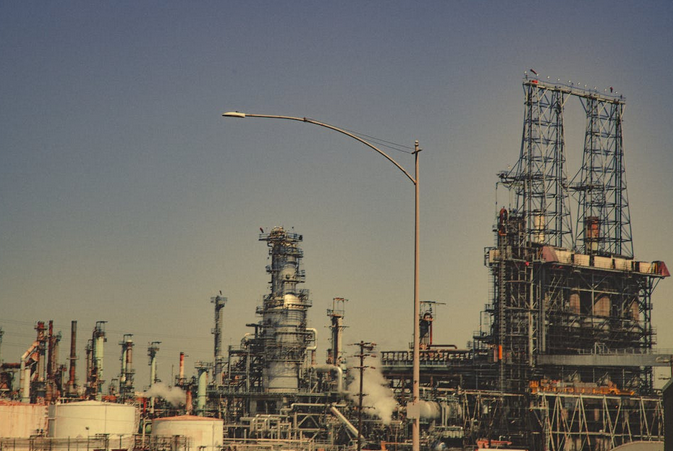
Storage facilities act as buffers between supply and demand. Gas is stored during periods of low demand and released when consumption spikes, typically in winter. Storage capacity affects market stability. When storage levels are low, natural gas rates tend to rise. Adequate storage can help smooth out seasonal fluctuations in pricing.
Seasonal Demand and Supply Balancing
Winter months bring higher natural gas demand for heating. Without sufficient pipeline capacity and storage, suppliers struggle to meet consumption needs. This mismatch between supply and demand can cause price spikes. In summer, demand decreases, allowing storage to refill and rates …